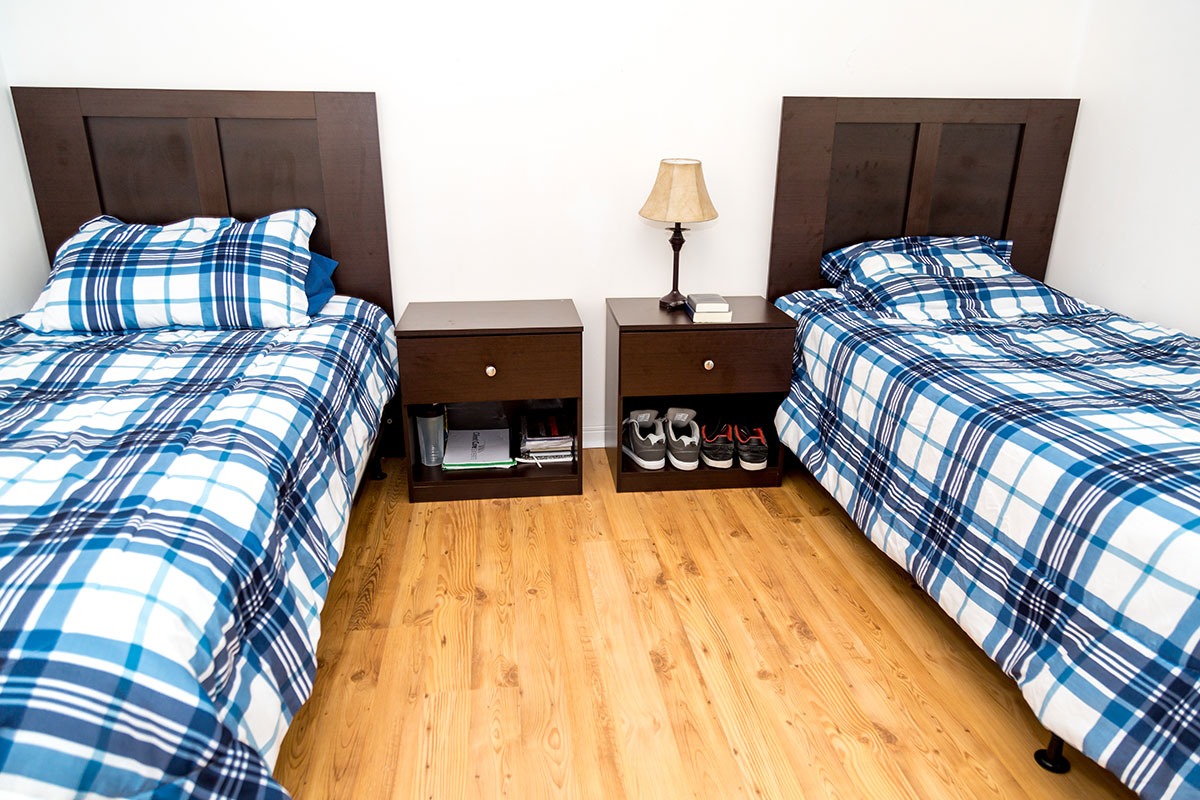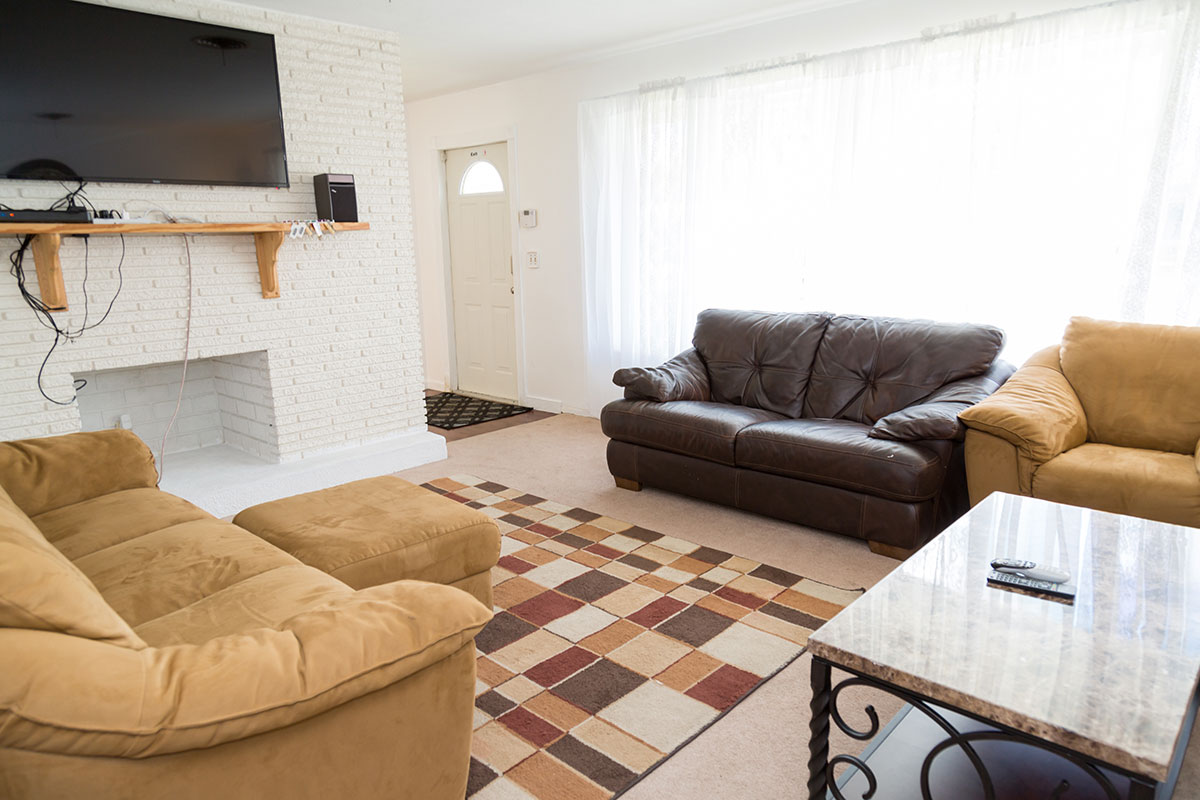

For people with dual diagnosis—a condition in which someone experiences both a substance use disorder and a mental health disorder—finding safe, stable, and supportive housing during recovery is essential. Dual diagnosis complicates the recovery process because individuals must manage both addiction and mental health symptoms at the same time. This requires structure, accountability, emotional support, and consistency. Sober living homes can provide exactly that. While they are not treatment centers and do not replace therapy or psychiatric care, sober living houses can be an excellent environment for people with dual diagnosis who need a safe place to stabilize and build new routines after detox or rehab.
Dual diagnosis conditions vary widely. Some individuals live with depression or anxiety, while others experience PTSD, bipolar disorder, or other complex mental health challenges. When paired with addiction, these conditions can make early recovery more overwhelming. Sober living homes offer stability and predictability, two elements that greatly benefit individuals managing multiple health needs. They also help reduce relapse risk by providing a structured living environment with clear expectations, peer support, and opportunities to practice healthy coping strategies. Because many people with dual diagnosis struggle with stress management, housing instability, or chaotic environments, sober living offers a reassuring transition between intensive treatment and fully independent life.
This article explores whether sober living is appropriate for individuals with dual diagnosis, what benefits these homes offer, how they support mental health needs, and what considerations someone should keep in mind before choosing this type of housing.
Why Sober Living Can Be Helpful for Dual Diagnosis Residents
Sober living homes are designed to support recovery in a structured but community-oriented environment. That structure can be especially valuable for people with dual diagnosis, who often need consistency to help stabilize both substance use and mental health symptoms. The combination of peer support, accountability, and routine makes sober living a strong option for individuals in early recovery.
There are several specific ways sober living supports those with dual diagnosis, including:
- providing a stable environment free of drugs and alcohol
- creating daily routines that reduce overwhelm
- offering peer support from others who understand recovery
- reinforcing healthy behaviors and coping skills
- reducing triggers that can worsen mental health symptoms
- lowering the risk of relapse through accountability
People with dual diagnosis often benefit from predictable routines. Sober living houses typically have scheduled meetings, curfews, chores, and expectations that help individuals build structure. This structure reduces stress, supports medication adherence, and gives residents the consistency they need to focus on healing.
Living alongside others in recovery also provides an important sense of community. Isolation is common among people dealing with both addiction and mental health struggles, and loneliness can worsen symptoms. In sober living homes, residents form supportive relationships, share experiences, and encourage one another. These connections help combat feelings of isolation and build social skills that support long-term recovery.
Another benefit is the reduction of environmental triggers. Many people with dual diagnosis come from stressful or unstable living situations that contribute to relapse or worsening mental health symptoms. Sober living removes these triggers by offering a peaceful, recovery-focused home where distractions and conflicts are minimized. This environment provides the breathing room necessary to stabilize.
How Sober Living Homes Support Mental Health Needs
While sober living houses are not mental health treatment centers, many homes are equipped to support residents with dual diagnosis by fostering healthy habits and encouraging ongoing treatment participation. Supporting mental health is not optional in recovery; it’s integral. Sober living homes promote that understanding through their rules, structure, and community culture.
Ways sober living houses support mental health include:
- encouraging regular attendance at therapy or counseling
- promoting medication compliance and safe storage
- requiring participation in support groups, such as 12-step or recovery meetings
- offering staff check-ins and guidance when needed
- fostering a calm and organized environment
- creating opportunities for exercise, mindfulness, or self-care
Many sober living homes collaborate closely with outside mental health providers. Residents typically continue seeing their therapists, psychiatrists, or case managers while living in the home. This continuity of care helps stabilize mental health symptoms while supporting ongoing recovery efforts.
Medication adherence is especially important for dual diagnosis. Sober living homes help by providing designated places for medication storage and sometimes requiring accountability systems—such as logging doses or securing medications safely. This ensures that residents do not misuse medications and that they continue taking them as prescribed.
Support groups are another essential component of sober living. Engaging with peer-based recovery groups provides emotional grounding and helps individuals develop insight into their behaviors and challenges. Residents with dual diagnosis often benefit from attending both addiction recovery groups and mental health support groups outside the home. Sober living rules usually reinforce these commitments.
The calmness and predictability of sober living environments also reduce stress, which is vital for managing mental health disorders. Simple routines like consistent meal times, household responsibilities, and community meetings help create a sense of normalcy that many residents may not have experienced for months or years. This stability is often the foundation for long-term healing.
Considerations for Dual Diagnosis Residents in Sober Living
While sober living can be an excellent choice, it may not be right for everyone with a dual diagnosis. It depends on the severity of the mental health condition, the level of independence required, and the availability of external treatment resources. It is important to understand what sober living can and cannot provide before making a decision.
Here are key considerations for individuals with dual diagnosis:
- the ability to function independently and follow house rules
- willingness to participate in therapy, support groups, and medication management
- stability of mental health symptoms at the time of entry
- access to nearby treatment providers or psychiatric care
- comfort level with shared living spaces and community environments
Sober living homes require residents to manage their own daily routines, attend required meetings, complete chores, and follow curfews. Individuals whose mental health symptoms severely limit daily functioning may require a higher level of care, such as residential mental health treatment or intensive outpatient programs, before transitioning to sober living.
Another consideration is the culture of the sober living home. Some homes are specifically designed to support individuals with co-occurring disorders, while others may have limited experience in this area. Homes that are familiar with dual diagnosis residents often have stronger communication with treatment providers and better understanding of the balance between mental health and addiction recovery.
Geography also matters. Residents need reasonable access to therapy, psychiatry appointments, and medication refills. If transportation is an issue, some homes provide scheduling help or public transit guidance, but residents should still consider logistics before moving in.
Communication skills are also important. Residents with dual diagnosis may need to express their needs clearly, request help when symptoms flare, and participate in conflict resolution if issues arise in the home. Sober living environments encourage communication, but residents must be willing to engage.
A Supportive Bridge Between Treatment and Independent Living
For many individuals with dual diagnosis, sober living houses offer a supportive bridge from structured treatment into independent life. They provide the safety, structure, and community needed to stabilize both substance use and mental health symptoms. With their balanced approach to accountability and independence, sober living homes allow individuals to practice essential life skills while still receiving the support needed to stay grounded in recovery.
When chosen thoughtfully and paired with ongoing therapy, medication management, and consistent self-care, sober living can be an excellent option for people navigating the complexities of dual diagnosis. It offers a healing environment where individuals can build routines, strengthen coping skills, reduce relapse risk, and prepare for long-term success. Call us today at 866-963-7200.