
Living Together While Keeping Your Own Space
Recovery is deeply personal work. Yet many people heal best when they live alongside others on the same path. A real tension exists here. How do you share a home with others and still protect your private life? Fortunately, modern recovery homes have found smart ways to solve this problem. People can enjoy strong community support without giving up the personal space they need to grow.
Why Privacy Matters in Recovery
Sober living homes offer structure, peer support, and a safe place to rebuild. However, every person in recovery carries a unique story. Some have painful memories that need quiet time to process. Others simply need alone time to recharge after group meetings. Without private space, stress can build fast. That stress puts sobriety at risk.
Noise ranks as the top complaint in shared housing. It affects the majority of people in communal settings. Addressing the issue head-on helps everyone stay focused on their goals. Consequently, well-run homes put privacy at the center of their planning.
Thoughtful Home Design Makes a Big Difference
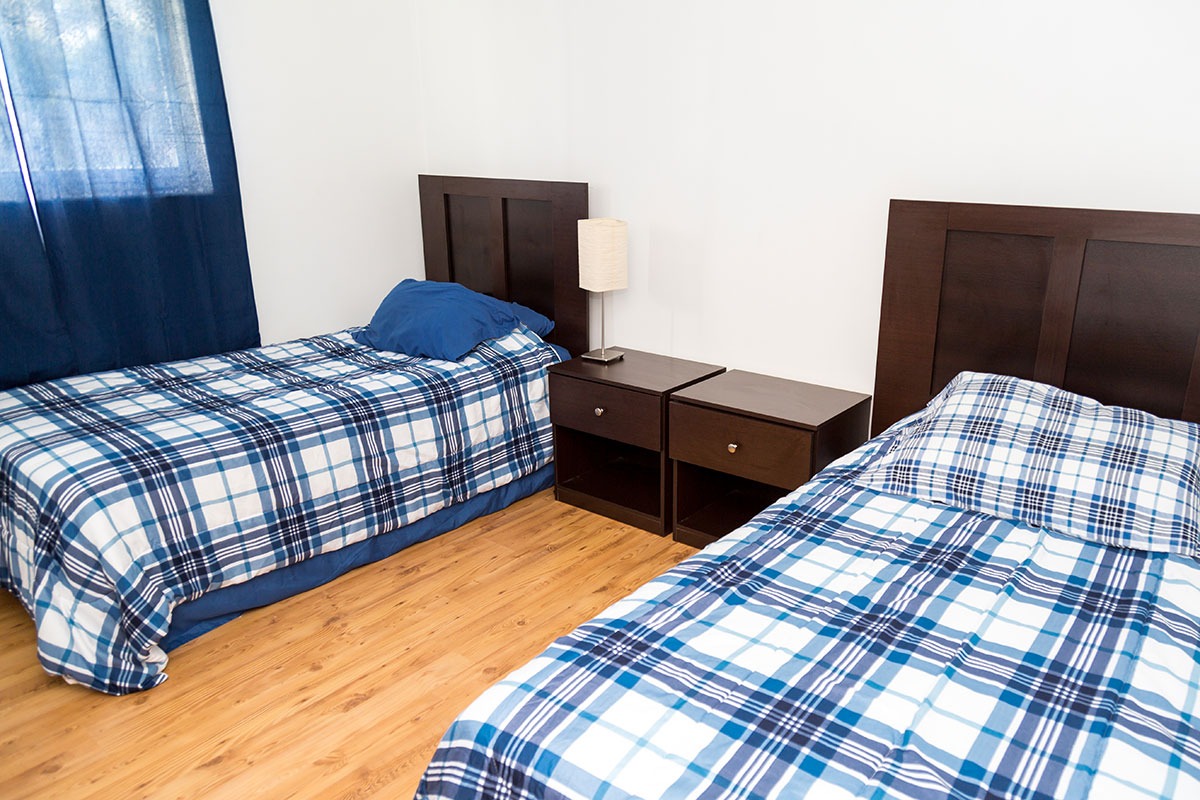
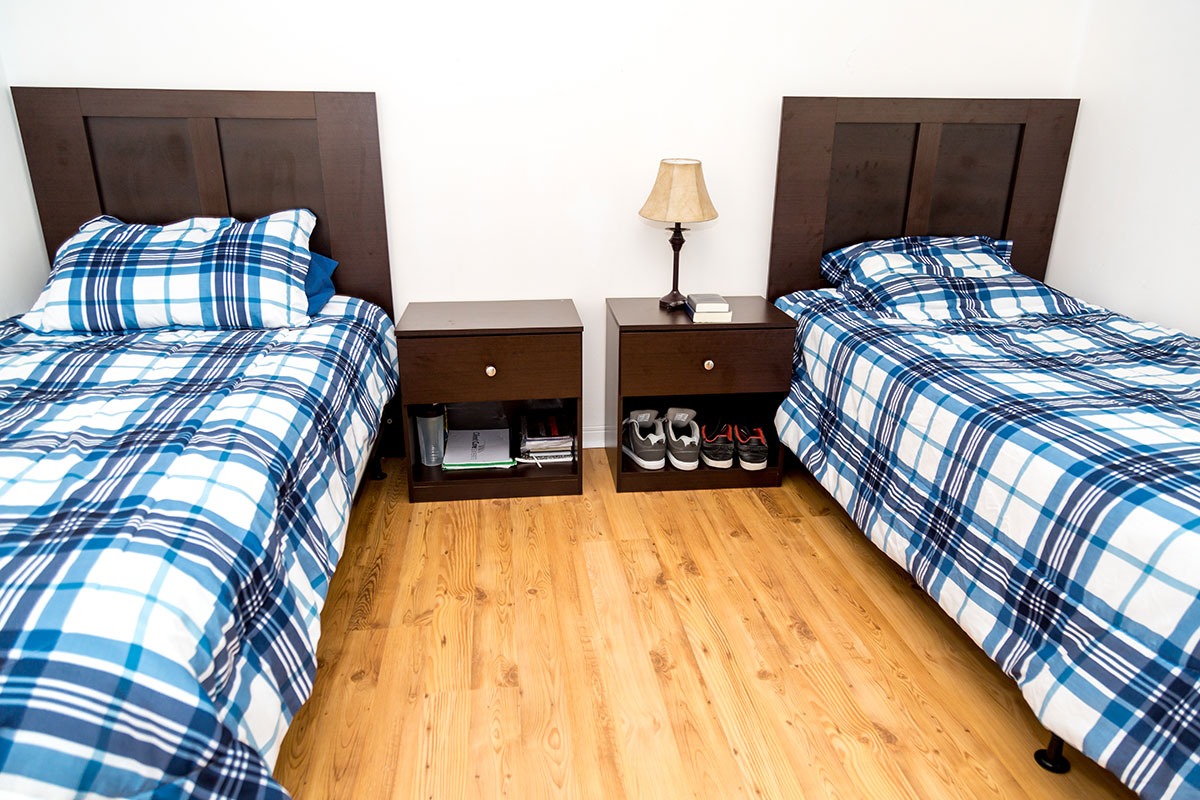
Modern recovery homes use smart design to protect personal space. Soundproofed bedrooms block noise from common areas. Buffer zones sit between quiet rooms and busy kitchens or lounges. Layout choices like these let people step away from the group whenever they need to.
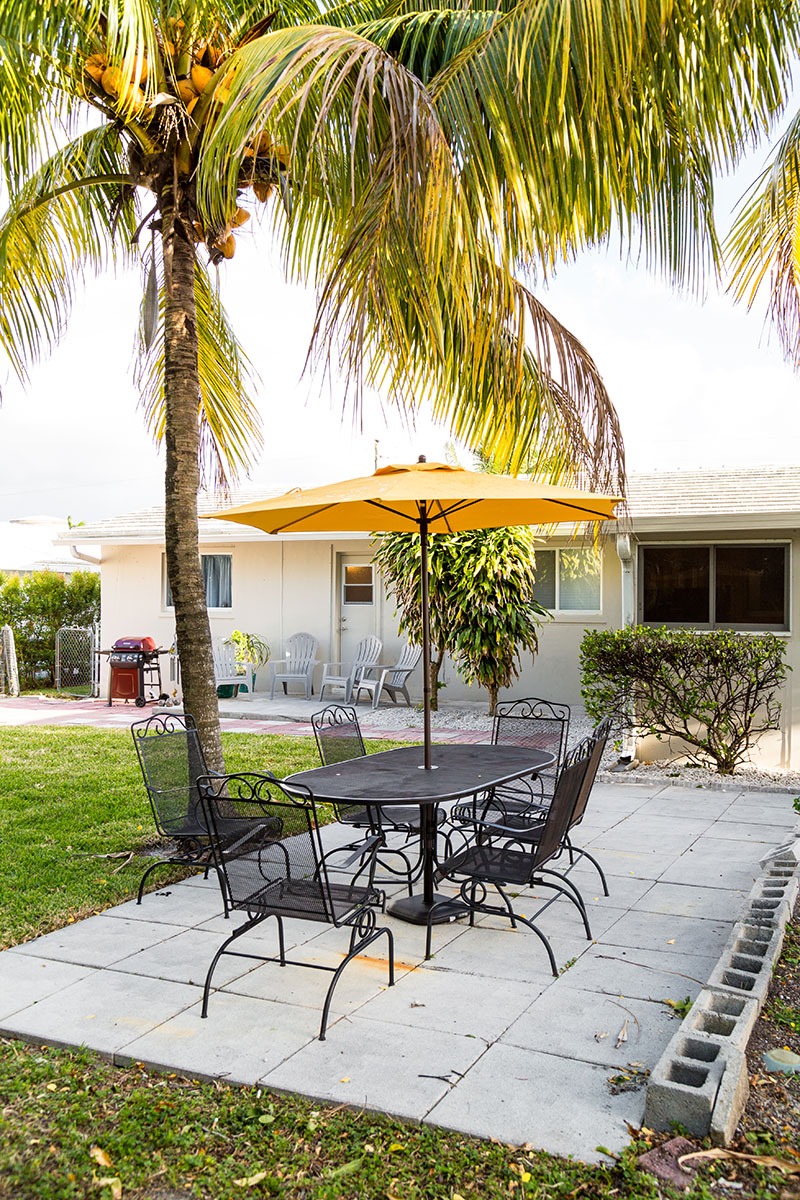
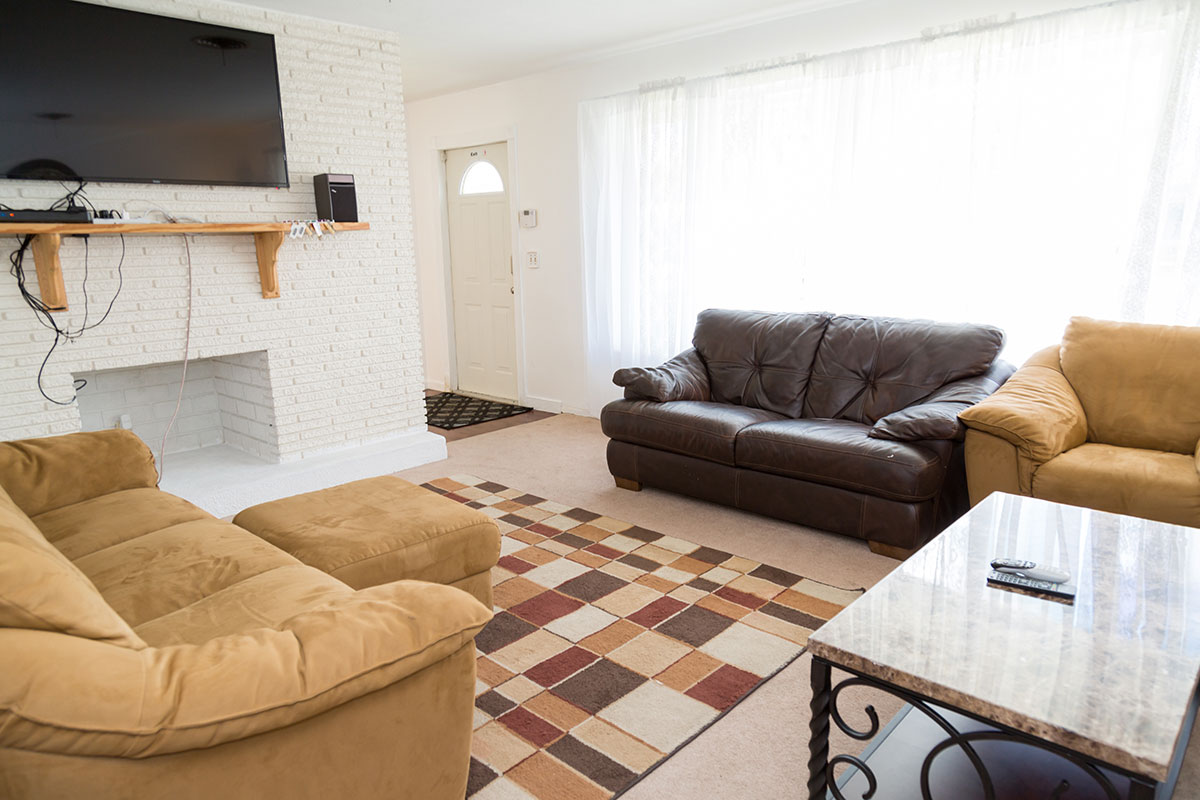
Additionally, many homes now include personal recovery nooks. Think private patios, small gardens, or reading corners. Quiet spots like these give each person a place for reflection without leaving the property. Blending solitude with community creates a healthy balance. Meanwhile, shared spaces like living rooms stay lively and open for group bonding.
Controlled Access for Peace of Mind
Key fob systems and secure locks add another layer of comfort. Each person controls who enters their private area. Secure storage for personal items also builds trust. Knowing your belongings are safe reduces daily worry. Even small details like these help people relax and focus on healing.
House Rules That Everyone Helps Create
Clear rules form the backbone of any good men’s sober living home. Specifically, scheduled quiet hours—often from 10 PM to 7 AM—give everyone a break from noise. Peers enforce boundaries with respect and care. Best of all, the people who live there often help write the rules themselves.
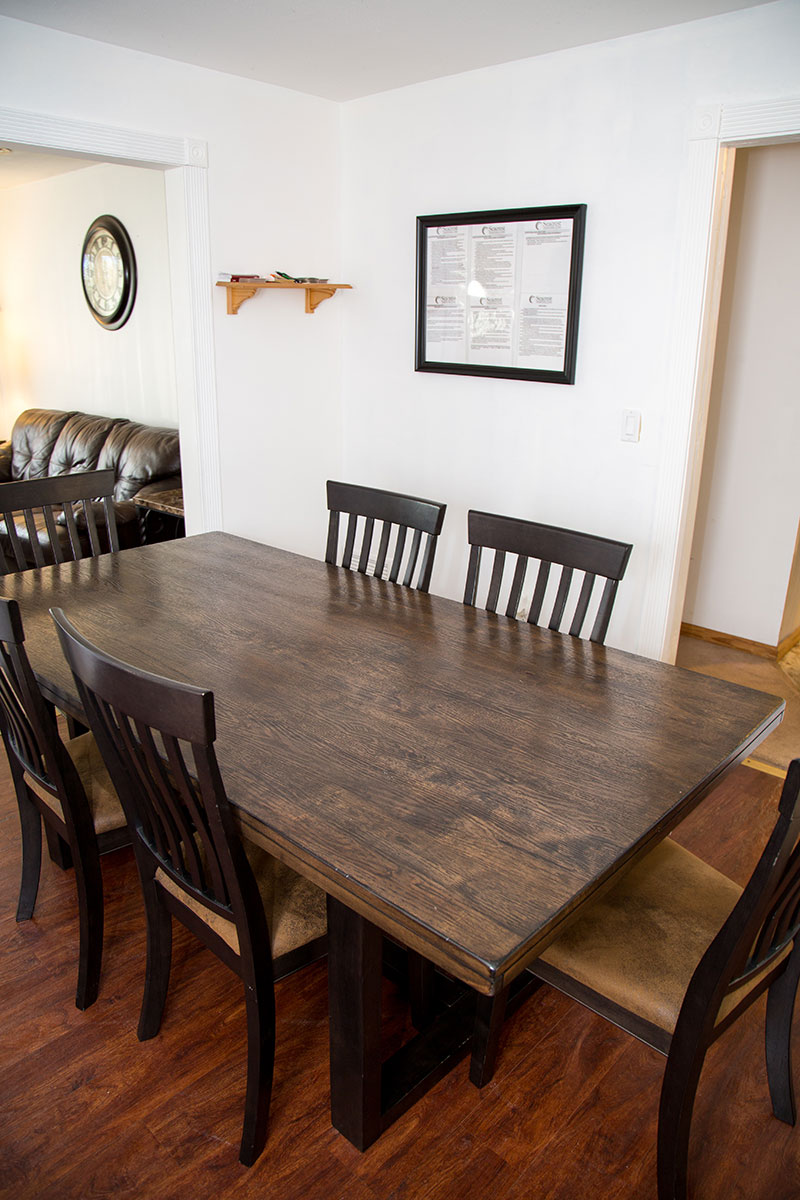
Peer-led boundary setting gives people ownership over their living space. Town hall meetings let everyone voice concerns and suggest changes. Regular feedback keeps policies fresh and fair. Furthermore, when people help shape the rules, they follow them more willingly. Feeling heard and valued goes a long way in recovery.
Technology That Supports Personal Time
Tech tools are changing how recovery homes manage shared spaces. App-based booking systems let people reserve the laundry room, gym, or quiet areas. Nobody walks into an overcrowded kitchen during their morning routine. Simple tools like these prevent small conflicts before they start.
Smart scheduling also protects recovery time. A person can block off space for meditation or journaling without any interruption. According to SAMHSA’s guidance on sober living, structured settings play a key role in long-term recovery success. Technology simply makes that structure easier to keep up.
Handling Conflicts With Empathy
Even the best rules cannot prevent every disagreement. Therefore, many homes train people in conflict mediation. Skills like active listening and empathy sit at the core of the process. Learning to address problems without blame or anger builds real trust.
Notably, the approach respects each person’s trauma history. Someone may react strongly to a situation that seems minor to others. Trained mediators help both sides find common ground. Group harmony and personal boundaries grow together through practice. Over time, the whole community gets stronger.
Affordable and Accessible Recovery Living
Communal living can cut housing costs by up to 40 percent compared to renting alone. Savings like these make structured recovery far more accessible. People spend less on rent and put more energy toward sobriety goals. Financial stress drops, and stability rises. Accordingly, more individuals can access support during a critical chapter in their lives.
The Balance That Builds Lasting Sobriety
Privacy and community are not opposites. Great recovery homes weave them together through design, rules, technology, and empathy. Housemates gain peer support while keeping the personal space that healing demands. Striking the right balance helps people build habits that last well beyond their time in a sober living home.
Take the Next Step Today
Are you or a loved one looking for a recovery home that respects both community and privacy? Our team is ready to help you find the right fit. Call us today at (866) 963-7200 to learn more about our programs and start your journey toward lasting sobriety.