
Privacy is one of the biggest concerns people have when considering a sober living house. After finishing detox or rehab, individuals often look for a structured environment that supports recovery—but they also want space, dignity, and independence. Sober living homes are designed to balance accountability with personal freedom, and privacy plays a key role in maintaining that balance. Because residents share rooms, participate in group responsibilities, and follow house rules, many wonder how much privacy is actually possible. The good news is that well-run sober living homes take privacy seriously and implement clear guidelines to protect residents while still maintaining a supportive and accountable recovery environment.
Privacy in a sober living home is different from privacy in independent housing, but it is still respected and prioritized. People in early recovery often need structure, supervision, and community—yet they also need time alone, safe personal boundaries, and the ability to handle their own affairs without unnecessary intrusion. Understanding how privacy is managed helps set realistic expectations and reassures individuals that they won’t be giving up their dignity or autonomy by choosing this type of housing.
This article explores how privacy works in sober living houses, from room policies and personal boundaries to communication rules and confidentiality. It also highlights the ways sober living homes protect residents while promoting accountability, safety, and sobriety.
Personal Space, Room Assignments, and Household Boundaries
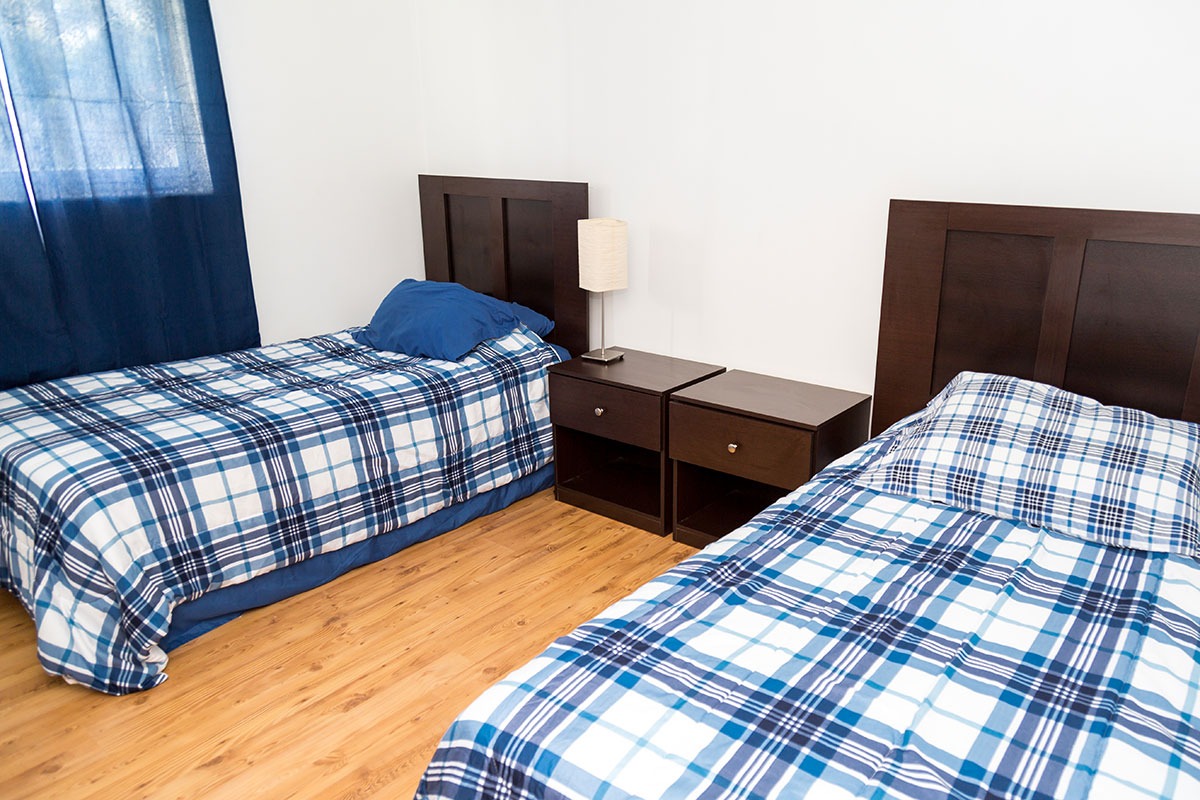
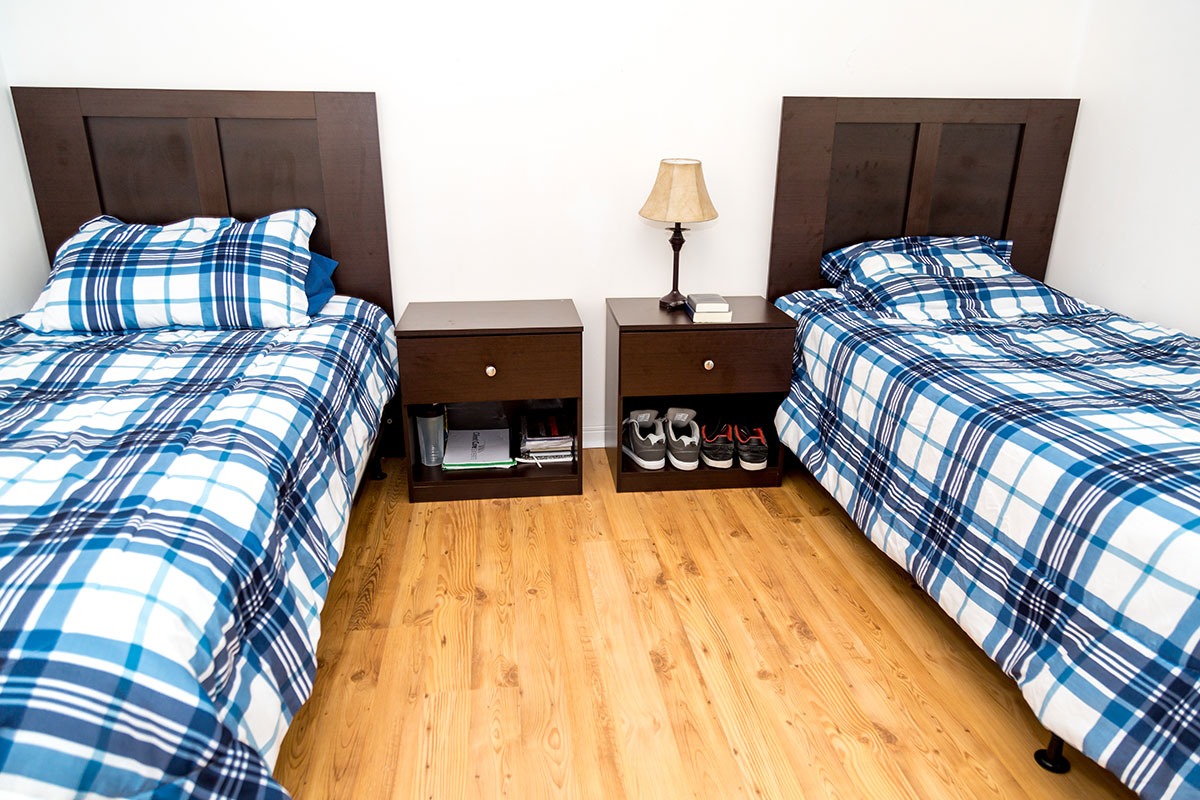
One of the most common questions people have about sober living houses is whether they will have their own room. In many cases, residents share bedrooms to foster community and reduce costs. Sharing a room does not mean losing all personal space, however. Most sober living houses create clear systems that allow residents to maintain their privacy and set healthy boundaries.
Typical room-related privacy practices include:
- assigned roommates rather than random placement
- personal storage such as lockers, drawers, or closet sections
- expectations that roommates respect each other’s space
- quiet hours to promote rest and limit disruption
- rules against entering another person’s bedroom without permission
Even shared rooms have a level of built-in privacy because house rules are designed to protect personal belongings and personal time. Residents are generally expected to keep their area clean and be respectful of each other’s property. While you may not have your own room, you still have your own designated space.
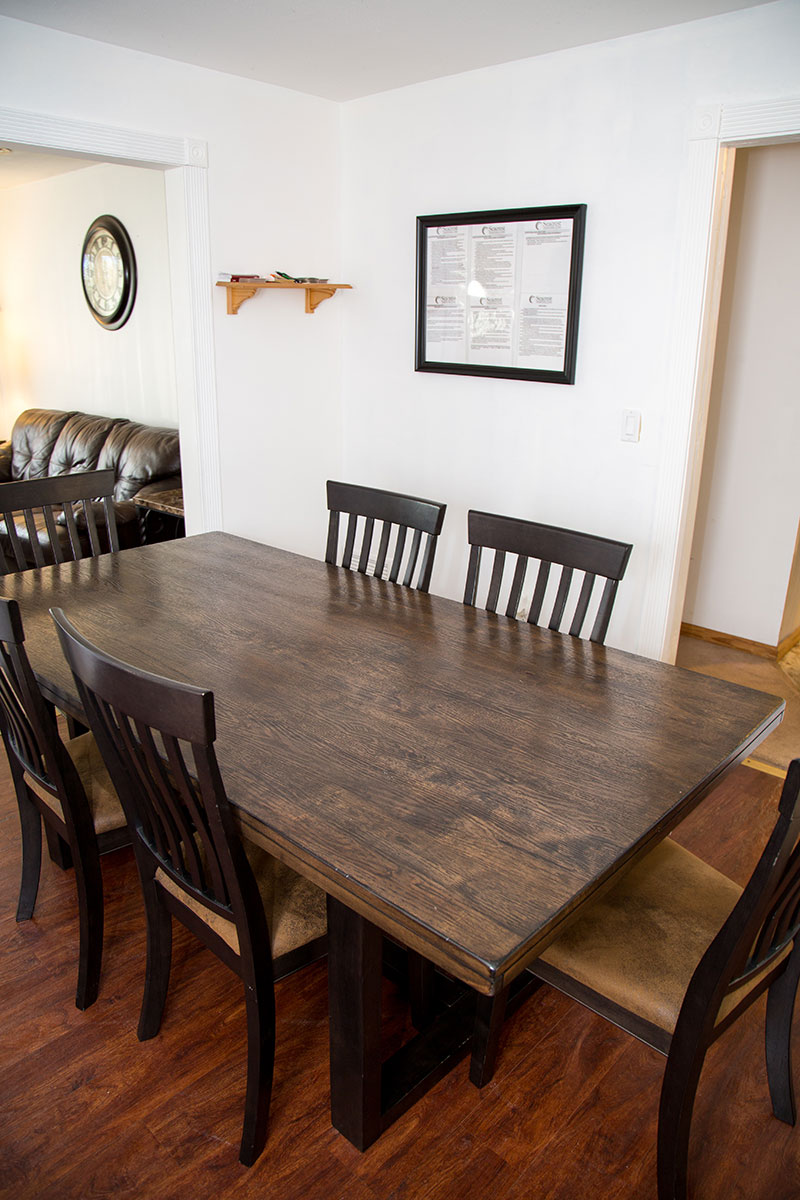
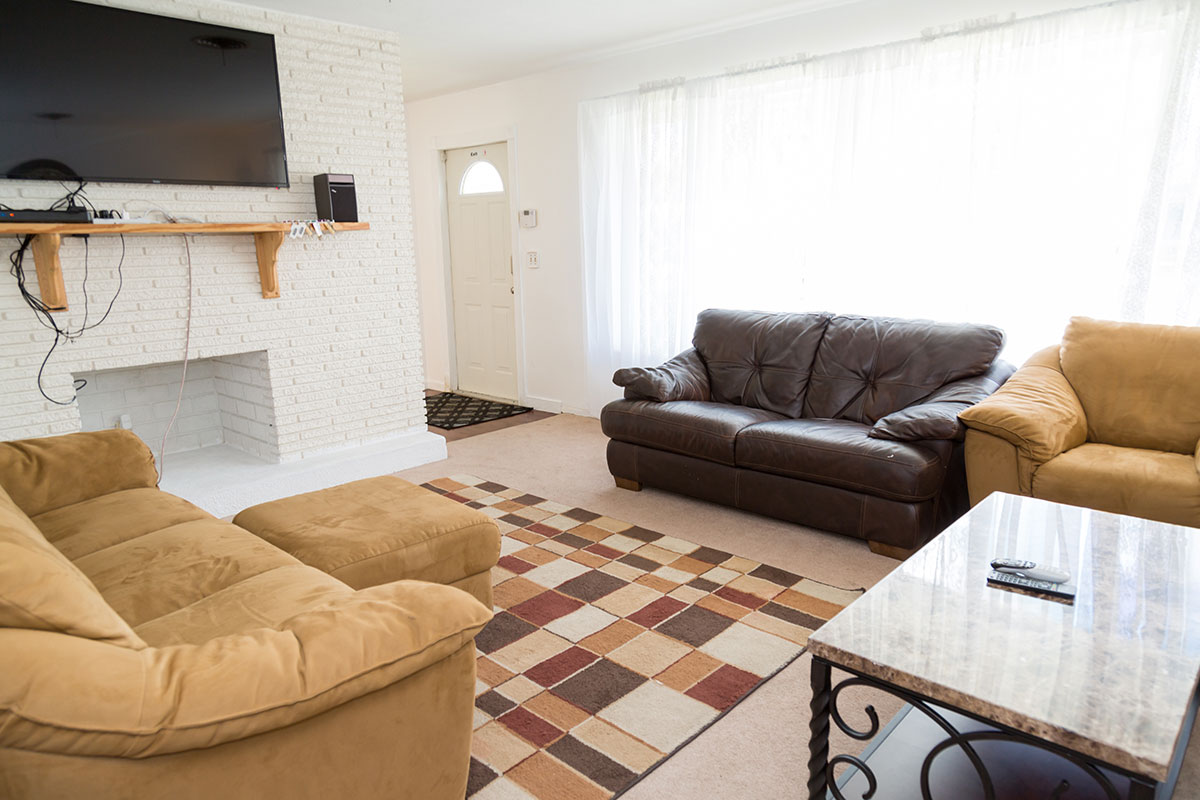
Common areas are shared, but they also have boundaries. Kitchens, living rooms, and bathrooms often come with rules that limit overcrowding, prevent conflict, and promote respectful use. These rules help ensure that no one feels overwhelmed or intruded upon by constant interactions.
Another important aspect of privacy is personal downtime. Even though sober living emphasizes community, it also recognizes that recovery requires rest and reflection. Many homes encourage residents to spend time journaling, meditating, reading, or simply relaxing in their room. This balance allows individuals to socialize when they choose but still withdraw when necessary.
Privacy also applies to household responsibilities. Chores are shared, but individuals handle their own laundry and personal cleaning. No one is expected to interfere with another resident’s personal tasks. This structure promotes independence while maintaining a well-kept home environment.
Communication Rules, House Policies, and Confidentiality Protections
Privacy in sober living extends beyond physical space. It also includes how personal information, communication, and sensitive topics are handled within the home. Recovery environments involve emotional conversations, personal struggles, and experiences that not everyone wants to share openly. To protect residents, sober living homes typically establish strong confidentiality rules.
Most sober living houses emphasize confidentiality through:
- strict rules against discussing another resident’s issues outside the home
- policies protecting personal information, including medical or legal history
- staff training on maintaining resident privacy
- expectations that residents keep conversations respectful and non-intrusive
This ensures that any personal storytelling, recovery challenges, or emotional difficulties stay within the house or with the appropriate support professionals.
Phone use and technology also fall under privacy guidelines. Sober living homes may have policies that limit late-night phone use or social media engagement, but they do not typically monitor personal calls or invade digital privacy. Instead, they encourage responsible use and open communication with sponsors, family, and treatment providers.
Mail and packages, in most cases, are not opened by staff unless there is a clear safety concern. Residents are expected to handle their own deliveries and communications, reinforcing independence.
Privacy also plays a key role in handling conflicts. Staff members typically address issues privately, never in front of other residents. Whether it’s a missed curfew, a disagreement, or a lapse in responsibilities, conversations happen in a confidential setting to protect dignity and support growth.
Sober living houses also follow confidentiality rules related to relapse. If someone relapses, the information is not publicly shared with other residents, although the individual may need to leave the home temporarily for safety reasons. Staff communicate respectfully and protectively, making sure the incident does not become gossip or house drama.
Outside the home, privacy extends to conversations with employers, family members, and treatment professionals. Staff only share information that residents have approved and never disclose living arrangements without permission. This protects residents who may not want their recovery status widely known.
Privacy Balanced With Accountability: How Homes Maintain Safety
Sober living houses must balance privacy with accountability because the goal is to support long-term sobriety. Too much freedom without structure can create risk, while too much supervision can feel restrictive. The key is designing a system that respects autonomy while promoting safety.
To achieve this balance, sober living homes commonly use:
- drug and alcohol testing policies
- curfews
- visitor guidelines
- attendance requirements for meetings or groups
- sign-in and sign-out procedures
These practices help keep the home safe, reduce triggers, and prevent relapse. While these measures may appear to limit privacy, they serve a protective function for all residents. Importantly, these policies are handled discreetly. For example, drug test results are not shared publicly, and curfew discussions happen privately between the resident and staff.
Visitor policies also protect privacy. Most sober living homes restrict overnight guests and may limit visitors to certain hours. This protects not only the resident but also their roommates and housemates. Visitors typically are not allowed in bedrooms, which ensures that everyone’s personal space remains respected.
Accountability practices also include staff check-ins and support sessions. These interactions are meant to encourage communication, not invade privacy. Staff respect emotional boundaries and encourage residents to talk about difficulties only when they feel ready.
Finally, privacy is protected during house meetings. While these meetings often involve group discussions and shared responsibilities, personal matters are not forced into public discussion. Everyone participates in decisions about household functioning, but individual struggles remain confidential unless the resident chooses to share them.
Building Trust Through Respect: The Role of Privacy in Recovery Housing
Privacy is more than a comfort—it is a core element of recovery. Sober living homes work hard to create a respectful environment where people feel safe enough to heal. When residents know their personal information, belongings, routines, and emotions are protected, they are more likely to trust the community and engage fully in the recovery process.
Sober living houses support this trust by:
- respecting boundaries between residents
- limiting staff intrusion into personal affairs
- encouraging private reflection time
- creating routines that support both structure and autonomy
- protecting confidentiality in all interactions
This respectful environment teaches important life skills. Learning to navigate shared spaces, communicate needs, maintain boundaries, and build trust are all essential parts of long-term sobriety. Privacy helps residents regain confidence, develop independence, and start rebuilding their lives with a stronger sense of personal identity.
Accountability still exists, but it is paired with dignity. That balance is what makes sober living environments unique. They are not institutions—they are communities built on mutual respect, shared goals, and personal growth.
Privacy as a Foundation for a Stable Recovery Environment
Understanding how privacy works in sober living houses helps individuals feel more confident about taking the next step in their recovery journey. While sober living homes are structured environments, they also prioritize personal dignity, emotional boundaries, and confidentiality. Roommate arrangements, household rules, communication guidelines, and staff practices all aim to create a respectful and secure atmosphere. Privacy is not removed—it is protected and balanced with accountability to ensure safety and support long-term sobriety.
For anyone considering sober living, knowing that their personal space, information, and autonomy will be respected can make the transition much easier. Sober living homes are designed to help individuals regain independence gradually, while offering the supportive community needed to stay sober. With privacy built into the foundation, residents can focus on healing, growing, and preparing for a healthier future. Call us today at 866-963-7200.