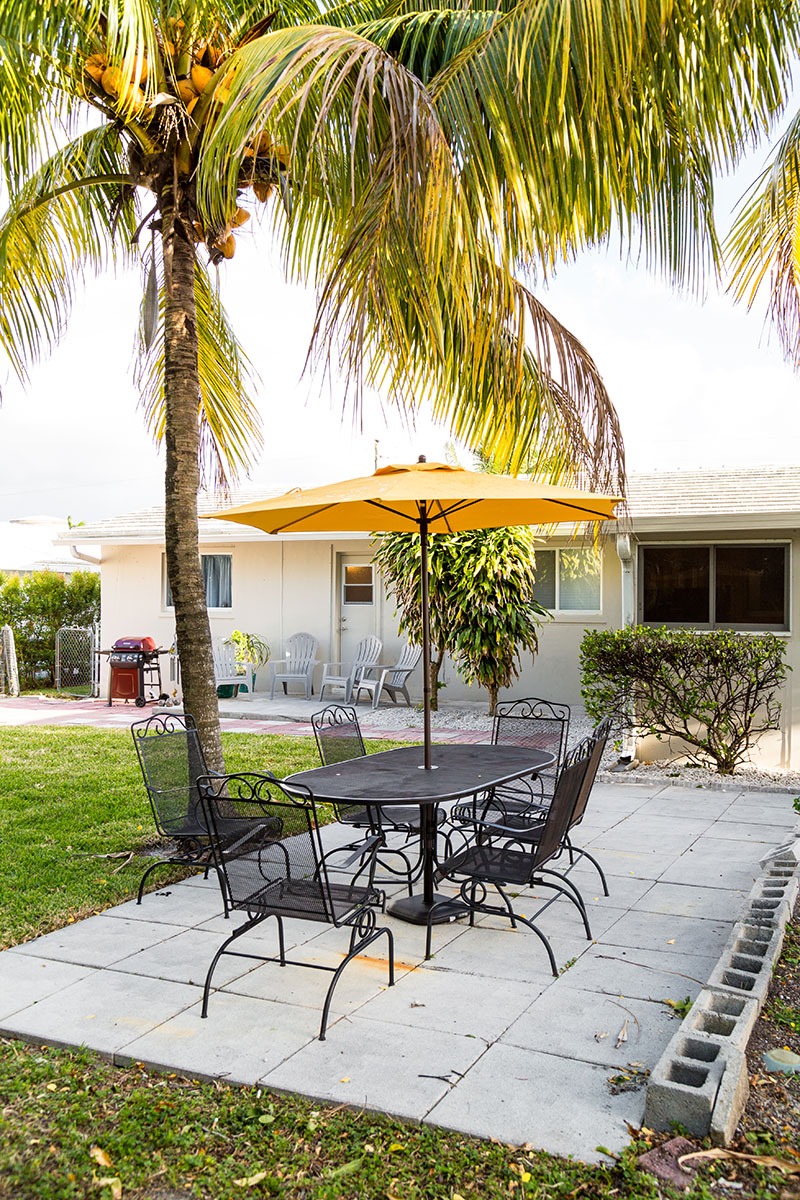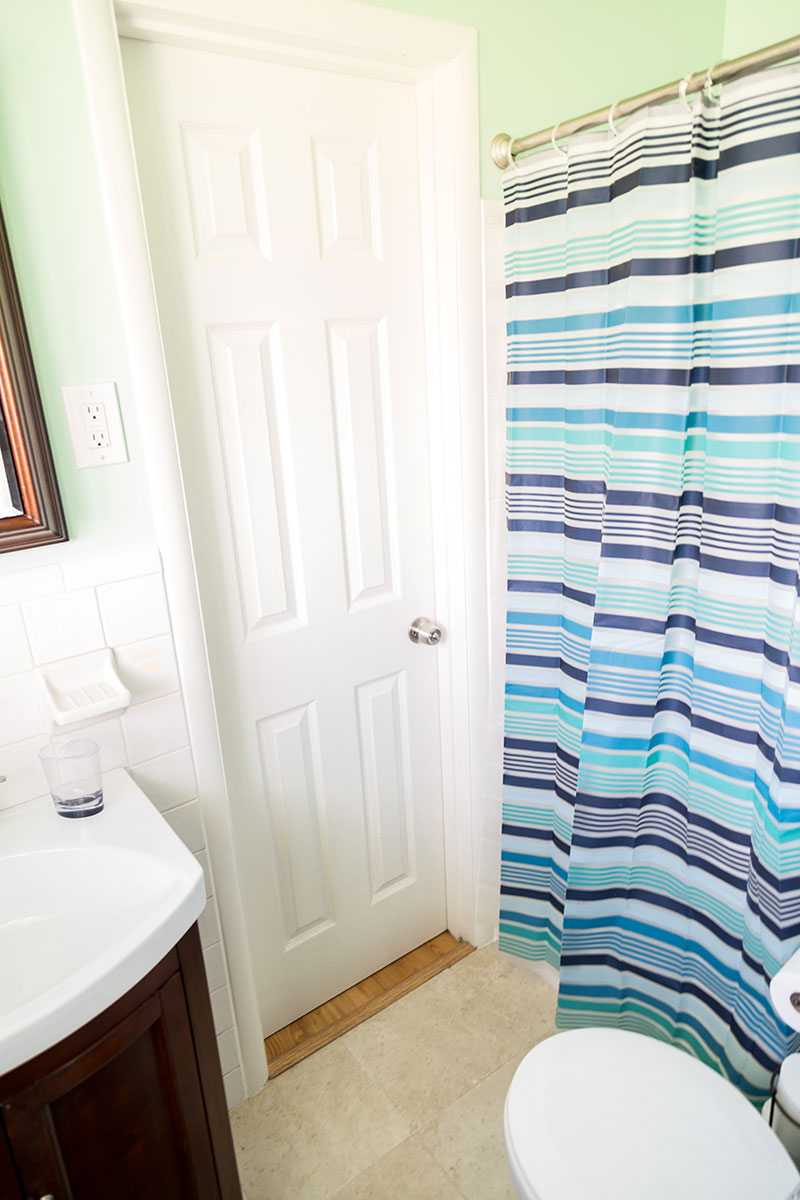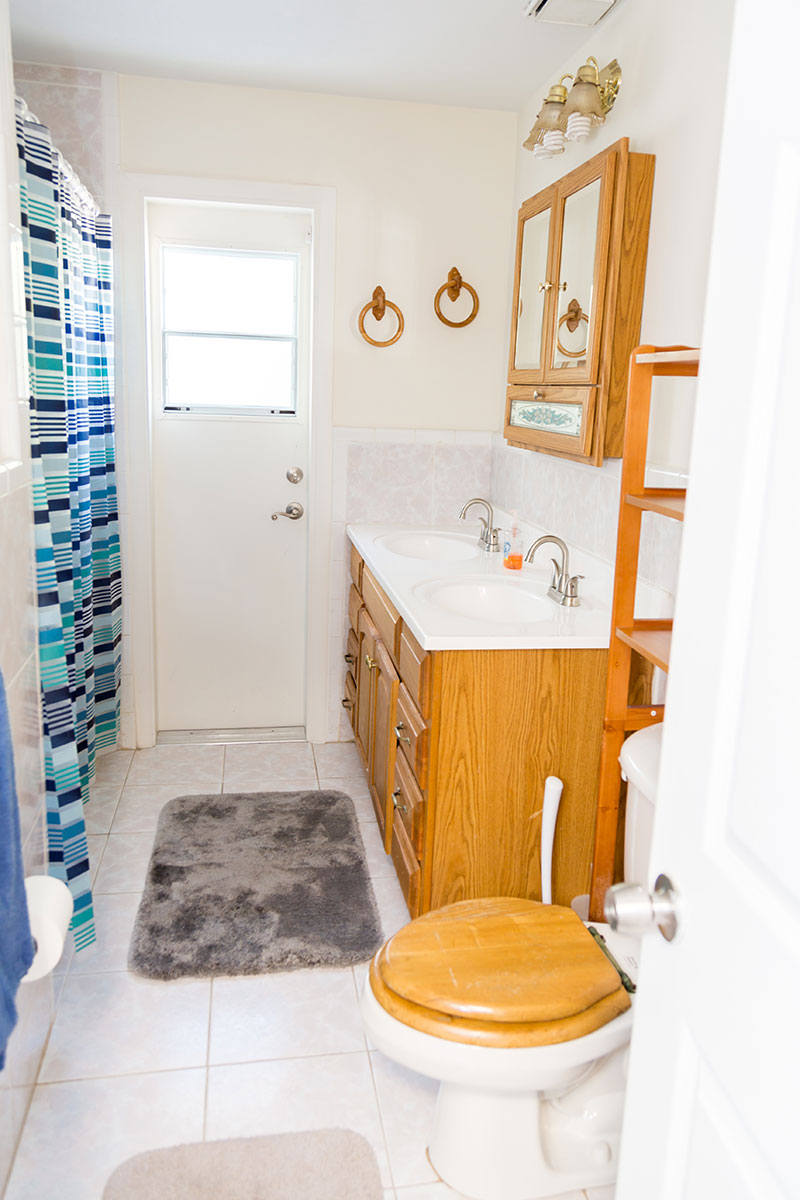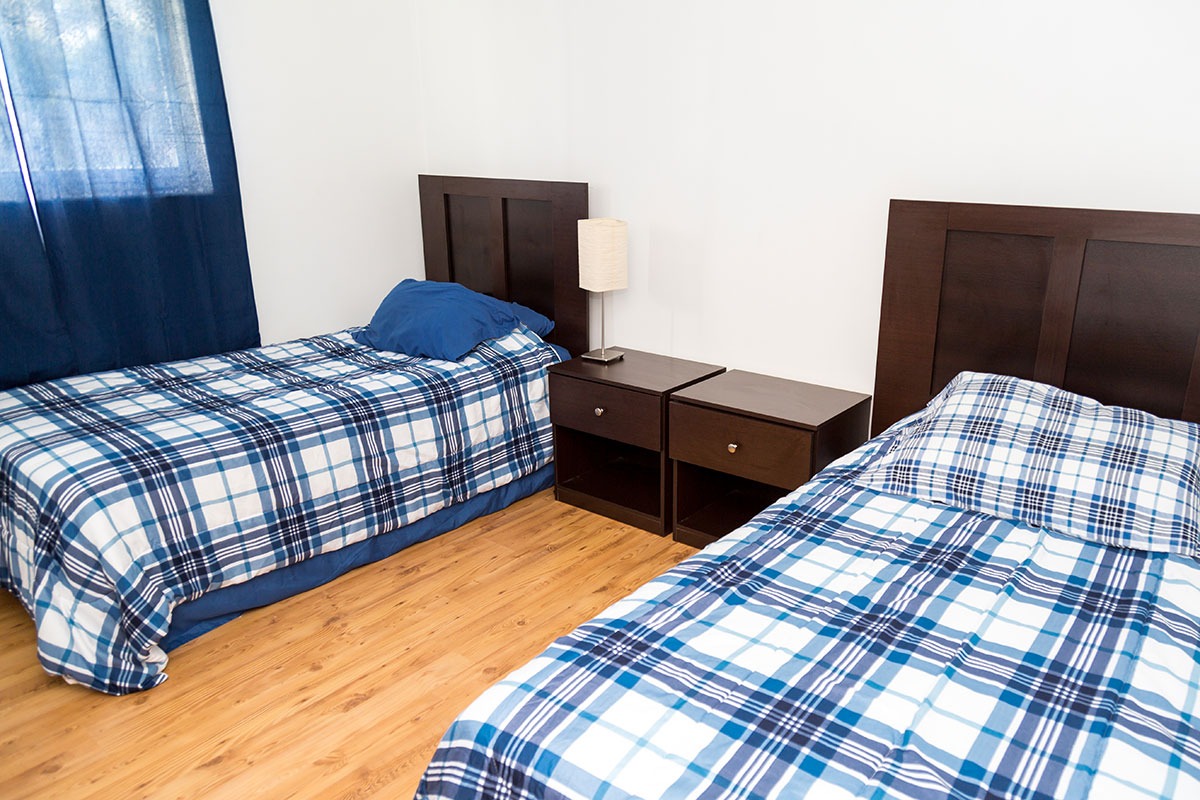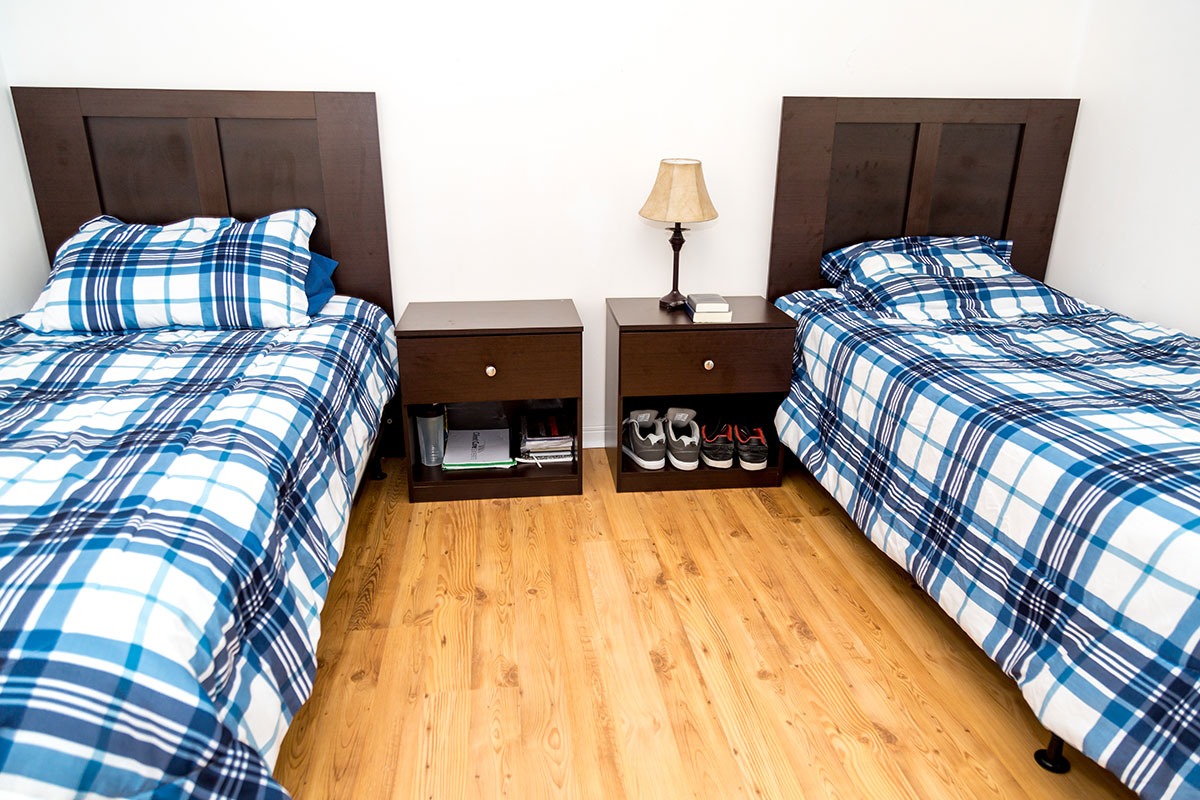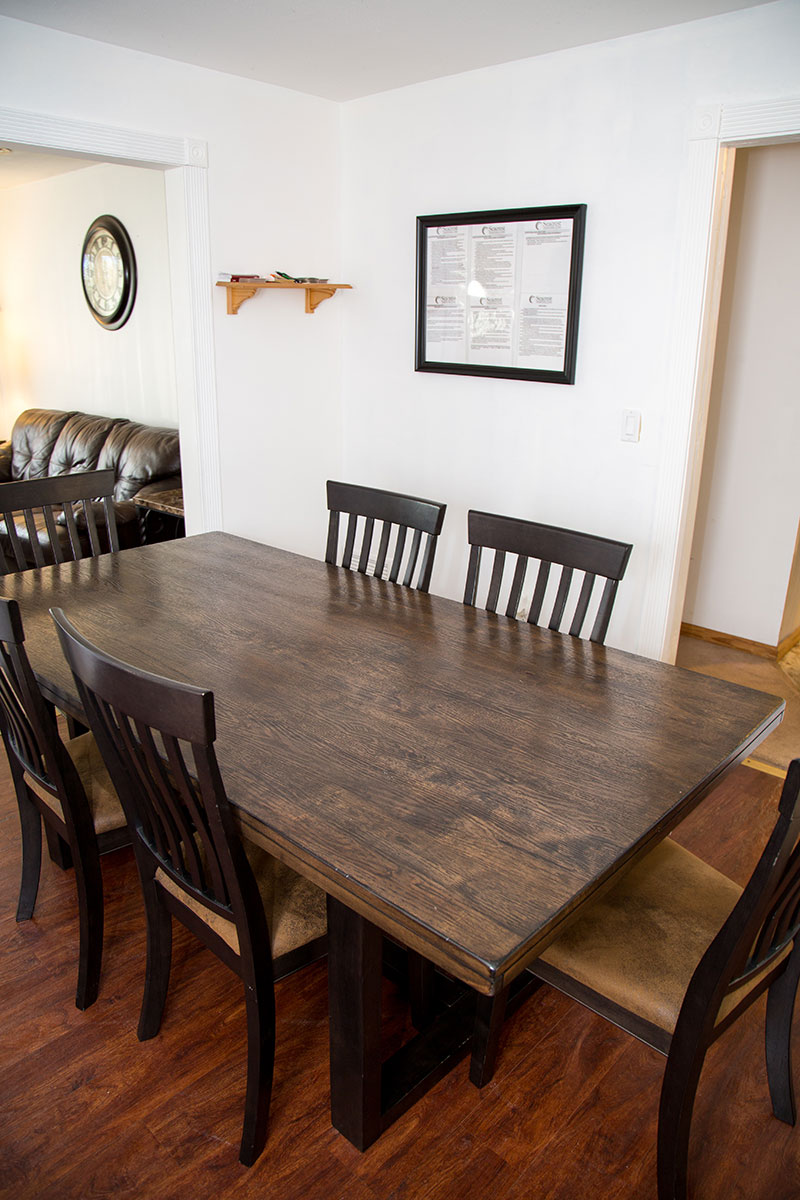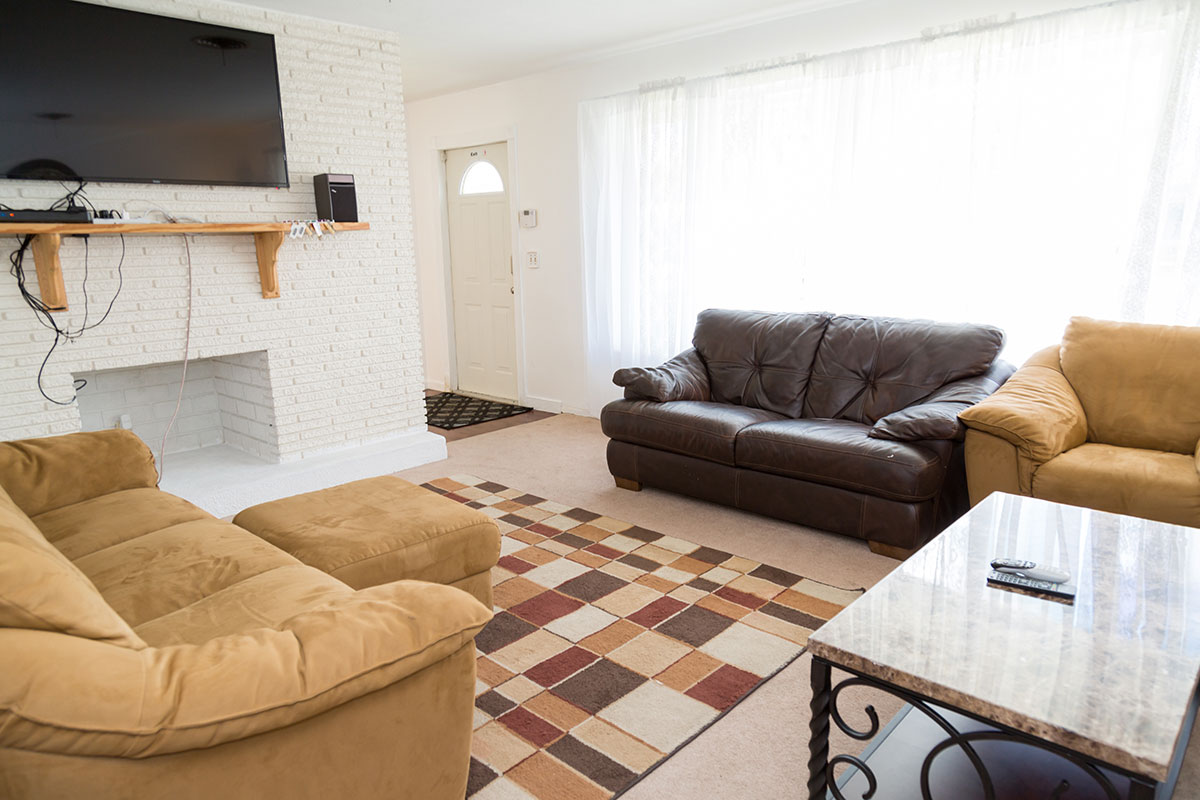

A sober living environment is a substance-free home designed to support people in recovery as they transition from treatment or early sobriety into everyday life. These homes offer a balance between independence and accountability, allowing residents to rebuild their routines while living among others who share the goal of staying sober. A healthy sober living environment goes beyond rules and structure. It creates a culture that supports growth, responsibility, and long-term recovery.
Why the Environment Matters in Recovery
Early recovery is often marked by emotional ups and downs, cravings, and uncertainty about how to live without substances. The environment a person lives in during this time can strongly influence their ability to stay on track. A healthy sober living home provides stability, reduces exposure to triggers, and encourages positive habits. When daily life supports recovery, residents are more likely to build confidence and maintain momentum.
A Clear Commitment to Sobriety
One of the most important signs of a healthy sober living environment is a shared and clearly stated commitment to sobriety. Everyone in the home understands that alcohol and drugs are not allowed and that staying sober is the foundation of the community. This commitment creates a sense of safety. Residents can relax knowing they are not surrounded by substances or people who are actively using. Clear expectations also reduce confusion and help prevent conflict.
Safety and Stability in the Living Space
A healthy sober living home should feel physically safe and emotionally calm. The space is clean, reasonably well maintained, and organized in a way that respects the dignity of the people living there. When the home feels stable, it supports a sense of normalcy that many people in early recovery are trying to regain. Safety also means that house rules are clear and consistently followed, so residents know what to expect and who to turn to if problems arise.
A Culture of Respect and Support
Recovery is difficult, and people need to feel respected as they work through it. In a healthy sober living environment, residents treat one another with basic kindness and consideration. Differences are handled through communication rather than hostility. People feel comfortable being honest about struggles without fear of ridicule or judgment. This culture of respect allows residents to open up, ask for help, and grow.
Healthy Peer Influence
The people in a sober living home shape the atmosphere as much as the rules do. In a healthy environment, peers encourage one another to stay engaged in recovery activities, attend meetings or therapy, and make healthy choices. There is a sense that everyone is in it together. When residents model responsible behavior and talk openly about challenges, it strengthens the group and reduces feelings of isolation.
Accountability That Supports Growth
Accountability is essential in sober living, but it should be handled in a way that supports learning rather than creating fear. In a healthy home, rules are enforced fairly and consistently. When someone struggles, the focus is on protecting the safety of the house while also encouraging the person to get back on track. This balanced approach helps residents understand the impact of their actions and take responsibility without feeling shamed.
Encouragement to Stay Connected to Recovery Support
A sober living home is not meant to replace treatment or recovery programs. Healthy environments actively encourage residents to stay connected to outside support, such as outpatient counseling, recovery meetings, sponsors, or medical care. The home becomes a stable base, while growth continues through broader recovery resources. This connection helps residents build a support network they can rely on even after they move out.
Positive and Reliable Leadership
Whether managed by staff or experienced residents, healthy sober living homes have clear leadership. Someone is responsible for maintaining standards, addressing concerns, and keeping the home running smoothly. Good leadership is approachable, fair, and consistent. Residents trust that issues will be handled thoughtfully and that the focus remains on safety and recovery rather than control.
Support for Independence and Life Skills
A healthy sober living environment encourages residents to rebuild everyday life skills. This includes managing schedules, keeping commitments, working or going to school, handling finances, and taking care of personal health. Rather than creating dependence on the home, the environment supports gradual independence. Residents are challenged to take ownership of their lives while knowing support is available when needed.
Emotional Safety and Healthy Boundaries
Emotional safety is just as important as physical safety. In a healthy sober living home, people respect each other’s boundaries and personal space. Gossip, manipulation, or bullying are not accepted as normal. Conflicts are addressed directly and constructively. When residents feel emotionally safe, they are more willing to be vulnerable and honest, which is essential for real recovery work.
Structure Without Excessive Control
Structure helps create stability in early recovery, but too much rigidity can feel stifling. A healthy sober living environment offers routines that support good habits, such as regular house meetings or shared responsibilities, while still allowing residents the freedom to manage work, school, and personal time. This balance helps people learn how to live sober in the real world, not just within strict rules.
How Residents Typically Feel in a Healthy Home
People living in a healthy sober environment often describe feeling more grounded and hopeful over time. Even when recovery feels hard, the home provides a sense of belonging and purpose. Residents feel encouraged rather than judged, supported rather than controlled, and motivated to keep moving forward. These emotional experiences are often a strong indicator that the environment is truly recovery focused.
Warning Signs That the Environment May Not Be Healthy
Not every sober living home provides the support it claims to offer. Environments where substance use is ignored, rules change without explanation, leadership is absent, or residents feel unsafe or disrespected can undermine recovery. A home that feels chaotic or discourages outside support may make it harder, not easier, to stay sober. Paying attention to how the home operates day to day can reveal whether it is genuinely supportive.
The Importance of Fit for the Individual
Even a well-run sober living home may not be right for everyone. People differ in how much structure they need, how they relate to others, and what stage of recovery they are in. A healthy choice is one that feels supportive without being overwhelming and challenging without being discouraging. Visiting the home, talking with residents, and asking questions can help determine whether it feels like a good match.
A Foundation for Lasting Recovery
A healthy sober living environment is one that combines safety, respect, accountability, and encouragement into daily life. It supports sobriety not just through rules, but through culture and connection. When people feel safe, valued, and motivated in their living space, they are better able to practice the skills of recovery and carry them into the rest of their lives.
More than just a place to stay, a healthy sober living home becomes a training ground for independent, substance-free living. It offers the space to rebuild confidence, strengthen relationships, and move forward with a greater sense of stability and hope. Call us today at 866-963-7200.