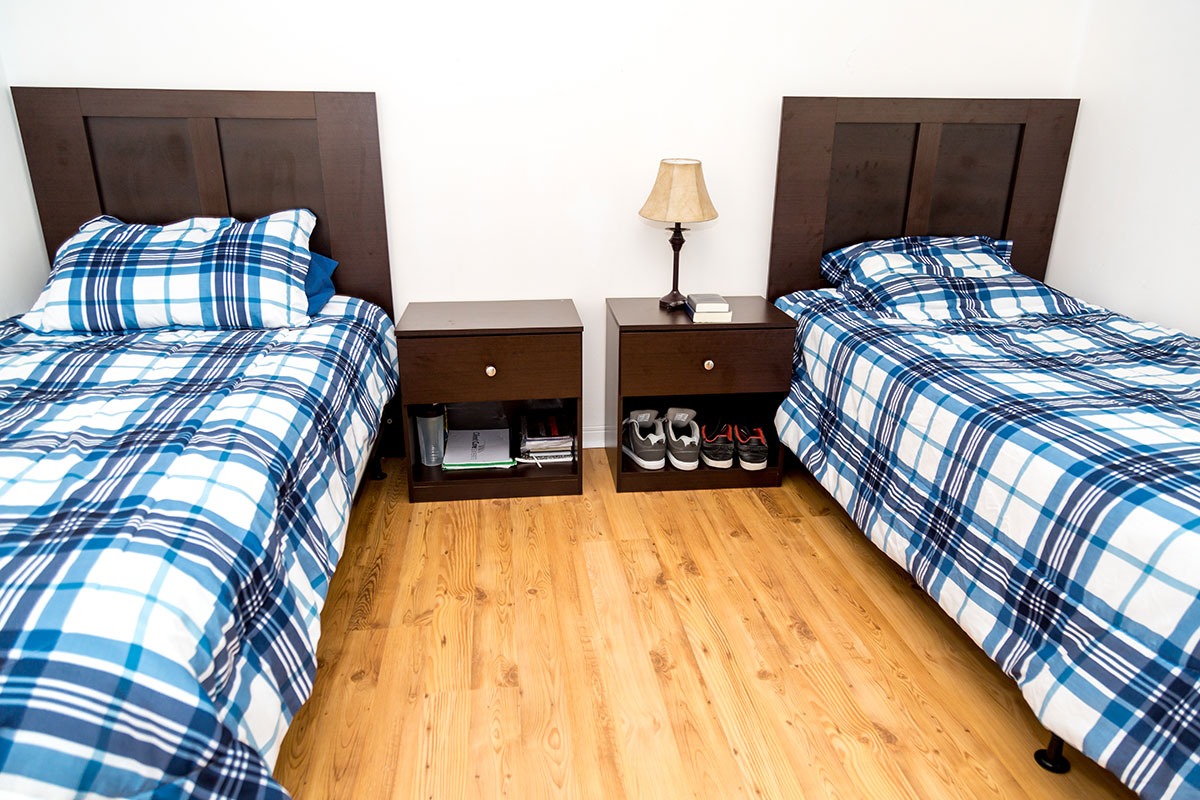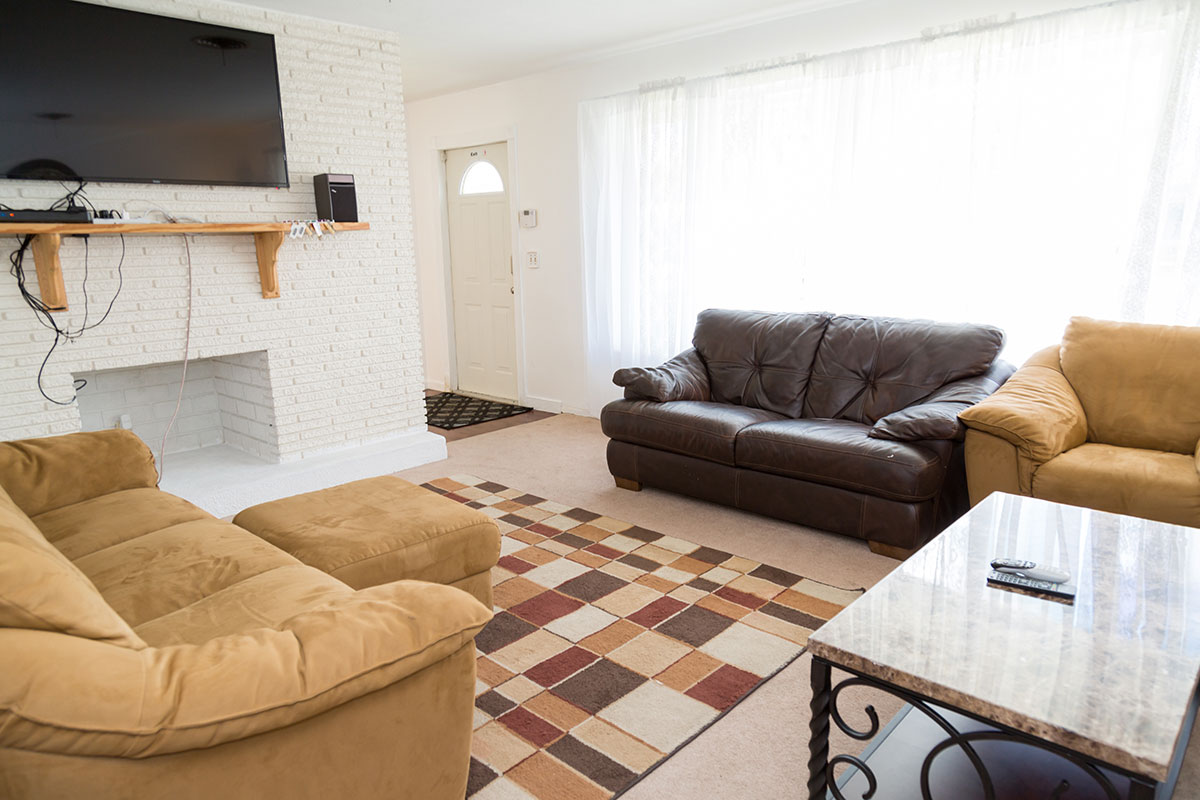

Sober living homes are designed to help people transition from structured treatment into everyday life while maintaining sobriety. During this stage, residents are rebuilding routines, learning to manage stress, and finding healthy ways to fill time that was once dominated by substance use. Group exercise and sports often become an important part of this process because they combine physical movement with social connection.
Rather than focusing only on fitness, group activities in sober living create opportunities for bonding, structure, and emotional release. When exercise becomes a shared experience, it can strengthen both recovery and community.
Why Movement Matters in Early Recovery
Early recovery brings many physical and emotional changes. The body is healing from substance use, sleep patterns are adjusting, and energy levels can fluctuate. At the same time, emotions may feel intense as the brain recalibrates.
Regular physical activity helps regulate many of these changes. Exercise supports circulation, improves sleep quality, boosts energy, and helps stabilize mood. In sober living, where residents are learning to care for themselves again, movement becomes a practical tool for restoring balance and building healthier habits.
The Added Power of Group Activities
While individual exercise can be helpful, group exercise and sports add a powerful social element. Recovery can feel isolating, especially for people who have lost friendships or strained relationships during addiction. Group activities offer a way to reconnect with others in a positive, low-pressure setting.
When people move together, whether through walking, gym sessions, or casual sports, they share effort, laughter, and challenges. This shared experience builds trust and reduces feelings of being alone in recovery.
Building a Sense of Community
One of the biggest benefits of group exercise in sober living is how it strengthens community. Residents begin to see each other not just as housemates, but as teammates and supporters.
Over time, these shared activities help create a sense of belonging. People encourage one another to show up, try harder, and keep going even when motivation is low. This sense of being part of something can be deeply motivating, especially for those who once felt disconnected or isolated.
Creating Healthy Structure in Daily Life
Structure is essential in sober living. Having a predictable rhythm to the day reduces idle time, which can be a major trigger for cravings. Group exercise adds positive structure by giving residents something to look forward to and plan around.
Scheduled walks, workouts, or sports nights help anchor the day. They become healthy markers in the routine, replacing old patterns that revolved around substance use. Over time, this structure supports discipline and consistency, both of which are key to maintaining sobriety.
Supporting Emotional Regulation
Emotions in early recovery can feel overwhelming. Anxiety, frustration, sadness, and restlessness are common as the brain adjusts and old coping methods are no longer available.
Group exercise provides a natural outlet for these emotions. Physical activity releases endorphins that lift mood and reduce stress. When this happens in a group, residents also gain emotional support from others who understand what they are going through. The combination of movement and connection can make it easier to process difficult feelings without turning to substances.
Reducing Cravings and Stress
Cravings are often tied to stress and emotional discomfort. Exercise helps lower stress hormones and creates a sense of calm after activity. Many people notice that cravings lessen after a workout or a physically engaging activity.
In a sober living environment, group exercise becomes a healthy way to respond when tension rises in the house or when individuals feel triggered. Instead of sitting with cravings alone, residents can channel that energy into movement together.
Rebuilding Physical Health
Substance use can take a toll on the body, weakening muscles, affecting heart health, and disrupting overall fitness. Group exercise helps residents gradually rebuild strength and endurance in a supportive way.
Because activities are shared, people often feel more comfortable starting at their own level without fear of judgment. Encouragement from peers makes it easier to keep going, even when progress feels slow. Over time, physical improvements can boost confidence and reinforce the belief that change is possible.
Strengthening Self-Esteem and Confidence
Addiction often leaves people with low self-esteem and a sense of failure. Group sports and exercise create opportunities for small wins that rebuild confidence.
Whether it is completing a walk, learning a new skill, or simply showing up consistently, these achievements remind residents that they are capable. When peers notice and encourage progress, it reinforces positive self-image. Confidence gained in physical activities often carries over into other areas of recovery, such as work, relationships, and personal goals.
Learning Healthy Competition and Cooperation
Sports in sober living introduce both competition and cooperation in a healthy context. Friendly games teach residents how to handle winning and losing without emotional extremes, something that can be challenging in early recovery.
At the same time, teamwork fosters cooperation, communication, and mutual support. Learning to rely on others and to be reliable in return mirrors the skills needed to build healthy relationships outside the home.
Replacing Old Social Patterns
Many people in recovery associate socializing with substance use. Parties, bars, or using with friends may have been central to their social life. In sober living, group exercise and sports help create new social patterns that do not involve drugs or alcohol.
Residents learn that connection, fun, and relaxation are possible without substances. This shift is critical for long-term recovery because it reshapes how people think about enjoyment and belonging.
Improving Sleep and Daily Energy
Sleep problems are common in early sobriety. Group exercise, especially earlier in the day, helps regulate sleep cycles by increasing physical tiredness in a healthy way and reducing restlessness at night.
As sleep improves, energy during the day often increases. This creates a positive cycle where residents feel more capable of engaging in daily responsibilities, therapy, and recovery activities.
Encouraging Responsibility and Commitment
Showing up for group activities teaches responsibility. When others expect you to be there, it becomes harder to skip out, even on low-motivation days. This sense of commitment mirrors the accountability needed for meetings, work, and other recovery responsibilities.
Over time, residents learn that keeping small commitments builds trust, both with others and with themselves. This habit of follow-through supports long-term change.
Making Recovery More Enjoyable
Recovery work can feel heavy at times, filled with therapy, self-reflection, and confronting past mistakes. Group exercise and sports bring moments of lightness into the process.
Laughter during a game, shared jokes on a walk, or the simple enjoyment of movement can remind residents that recovery is not only about struggle. It is also about rediscovering joy and pleasure in healthy ways.
Supporting Mental Focus and Clarity
Exercise improves blood flow to the brain and supports cognitive function. Many people notice better concentration, clearer thinking, and improved memory when they stay active.
In sober living, this mental clarity helps residents engage more fully in counseling, planning, and decision-making. As thinking becomes sharper, people often feel more in control of their recovery choices.
Helping Manage Co-Occurring Mental Health Challenges
Depression and anxiety are common among people in recovery. While exercise is not a replacement for therapy or medication, it is a powerful complement.
Group physical activity can ease depressive symptoms by lifting mood and increasing motivation. It can also reduce anxiety by calming the nervous system. When residents experience these benefits together, it reinforces the idea that healthy habits can meaningfully improve mental well-being.
Creating Habits That Last Beyond Sober Living
One of the goals of sober living is to prepare residents for independent life. Group exercise and sports introduce habits that people can carry forward after they leave.
When physical activity becomes part of daily routine in recovery housing, it is more likely to remain part of life later. Residents may continue going to gyms, joining recreational leagues, or simply staying active on their own, using movement as an ongoing support for sobriety.
Adapting Activities to Different Abilities
A healthy sober living environment recognizes that not everyone has the same fitness level or physical ability. Group exercise works best when activities are adaptable and inclusive.
When residents feel welcome regardless of skill or strength, participation increases. This inclusivity reinforces the message that recovery is about progress, not perfection, and that everyone’s effort matters.
Encouraging Positive Peer Leadership
Over time, some residents naturally take on leadership roles in organizing activities or motivating others. This peer leadership builds responsibility and purpose.
Helping plan a walk, lead a workout, or organize a game allows individuals to contribute to the house in meaningful ways. This sense of purpose can be especially valuable for people rebuilding identity after addiction.
A Healthier Way to Handle Conflict and Tension
Living together in recovery can sometimes bring tension. Group exercise offers a constructive outlet for that energy. Physical activity helps release frustration and provides space for people to cool down.
Shared activities also remind residents that they are on the same team, even when disagreements arise. This can make it easier to resolve conflicts respectfully.
Strengthening the Recovery Culture of the Home
When group exercise and sports become part of daily life, they help shape the overall culture of a sober living home. The house begins to feel active, engaged, and forward-looking rather than stagnant.
This culture reinforces the idea that recovery is about building a full, healthy life, not just avoiding substances. New residents quickly see that staying sober is connected to positive action and community.
Moving Forward With Strength and Connection
Group exercise and sports play a meaningful role in sober living by supporting physical healing, emotional balance, and social connection. They help residents replace old habits with healthy routines, build confidence through shared effort, and rediscover enjoyment without substances.
More than just workouts or games, these activities become tools for connection, structure, and growth. In the supportive setting of sober living, moving together often means healing together, laying the foundation for a stronger, healthier life in recovery. Call us today at 866-963-7200.